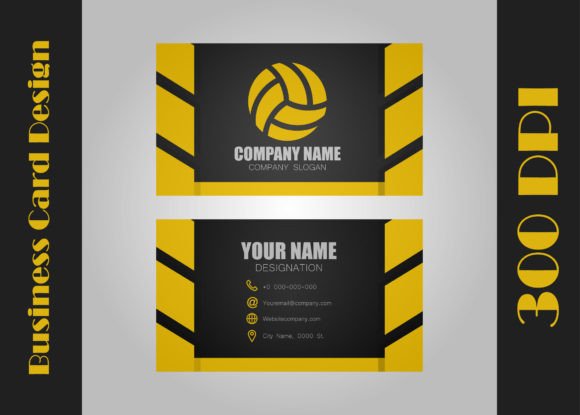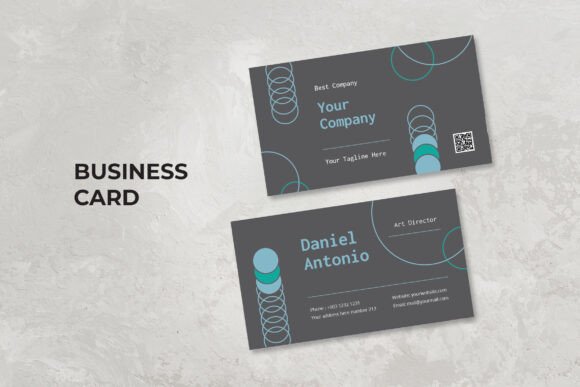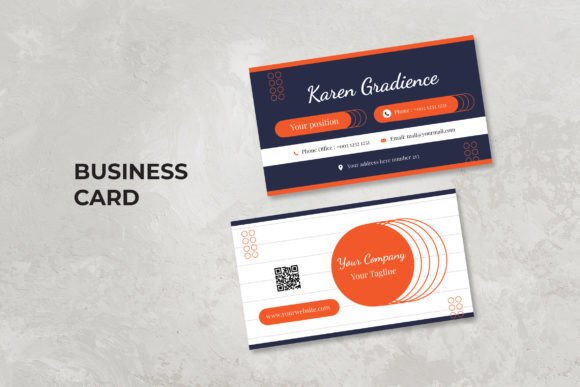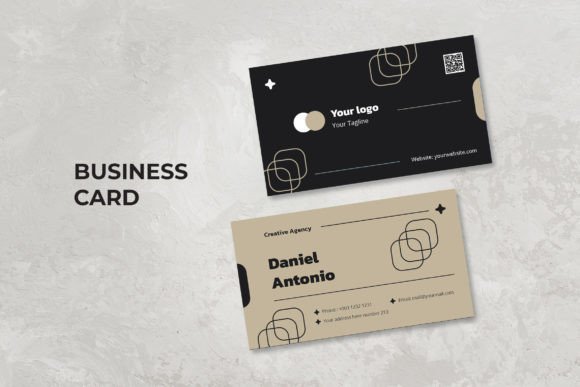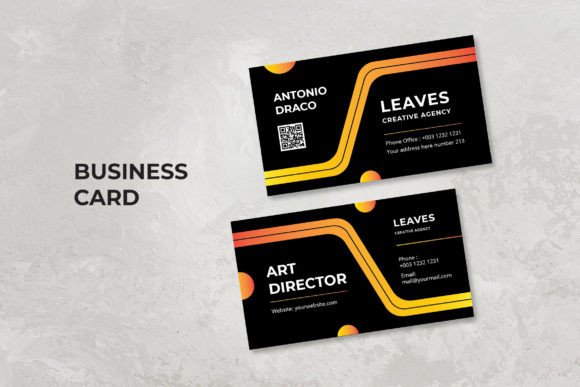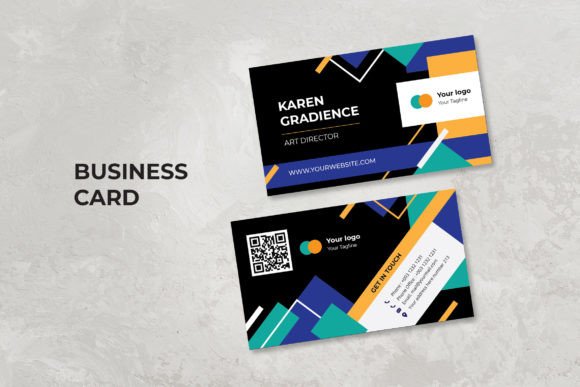
Creative Design Business Card
In an era where digital networking often overshadows physical interaction, the tangible quality of a first impression remains a critical component of professional identity. The Creative Design Business Card serves not merely as a vessel for contact information, but as a strategic touchpoint in your broader marketing and personal branding workflow. For professionals, creators, entrepreneurs, and small business owners, this template offers a streamlined path to establishing credibility without requiring extensive design expertise or significant financial investment in custom graphic design services.
This resource is designed to fit seamlessly into various stages of a project lifecycle, from initial client outreach to long-term brand consistency. By providing a fully editable, print-ready solution, it addresses the common bottleneck between having a clear brand vision and executing it efficiently. Whether you are a freelancer launching a new service, a corporate agency refreshing its collateral, or an educator building a personal portfolio, understanding how to leverage this tool effectively can save time while elevating the perceived value of your work.
Integration into Professional Workflows
The utility of the Creative Design Business Card extends beyond the moment of printing. It functions as a modular asset within a larger ecosystem of brand materials. When integrating this card into your workflow, consider how it interacts with other deliverables such as letterheads, email signatures, social media headers, and pitch decks. Consistency across these platforms reinforces brand recognition, making the Creative Design Business Card a foundational element rather than an isolated item.
For agencies and corporate entities, the process begins with preparation. Before opening any design software, it is essential to audit existing brand guidelines. This includes verifying logo vectors, selecting approved color palettes, and confirming typography standards. The provided template supports this phase by offering well-organized layers that allow for precise manipulation of elements without disrupting the underlying structure. This organizational clarity ensures that when team members collaborate on updates, the integrity of the design remains intact, reducing the risk of version control errors—a common pitfall in collaborative environments.
During the execution phase, the flexibility of the template becomes apparent. Because the file is compatible with both Adobe Photoshop (PSD) and Adobe Illustrator (AI), users can choose the tool that best suits their specific task. Illustrator is ideal for manipulating vector graphics and ensuring sharp lines at any scale, while Photoshop excels in handling complex textures, gradients, and photo-based backgrounds. This dual compatibility means that whether you need to adjust a subtle shadow effect or reposition a logo, the workflow remains smooth and efficient. The inclusion of CMYK settings further streamlines the transition from screen to print, eliminating the guesswork often associated with color management.
Practical Implementation Tips
- Layer Management: Take advantage of the well-organized layer structure. Rename layers logically before editing to maintain clarity, especially if multiple stakeholders are involved in the approval process.
- Bleed Awareness: The template includes a 0.25-inch bleed, which is crucial for professional printing. Ensure that no critical text or logos extend into this margin area to prevent accidental cropping during the trimming process.
- Font Compatibility: The template utilizes only free fonts, simplifying distribution and usage rights. However, always embed fonts or convert text to outlines before sending files to printers to ensure visual consistency across different devices.
- Resolution Check: Verify that all embedded images meet the 300 DPI requirement. Low-resolution assets will appear pixelated in print, undermining the clean, modern aesthetic intended by the design.
Customization and Brand Alignment
A major challenge in modern business is maintaining a unique identity amidst generic templates. The Creative Design Business Card mitigates this risk through its clean, simple, and modern design philosophy. This minimalist approach acts as a canvas, allowing your specific content—name, title, contact details, and QR codes—to take center stage. The lack of excessive ornamentation ensures that the card remains legible and impactful, regardless of the industry.
For freelancers and solo practitioners, customization is often a matter of personal expression. You might use the template to experiment with bold color contrasts that reflect your creative personality, or opt for a monochromatic scheme that conveys seriousness and precision. The ease of customization means you can iterate quickly, testing different variations to see which resonates best with your target audience. This iterative process is particularly valuable during the early stages of a career or when pivoting to a new market segment.
Corporate users can leverage the template for standardized rollouts. Imagine a scenario where a company needs to update employee titles due to restructuring. With the layered format, HR or marketing teams can batch-process updates, changing job titles across hundreds of cards with minimal effort. This efficiency reduces administrative overhead and ensures that every employee presents a current and accurate professional image. Furthermore, the ability to create variations for different departments—such as sales versus engineering—while maintaining a cohesive look helps reinforce internal brand unity.
Quality Control and Print Readiness
One of the most significant barriers to high-quality print production is technical incompatibility. Many designers struggle with file formats, color spaces, and resolution settings, leading to costly reprinting errors. The Creative Design Business Card addresses these issues proactively by being delivered as a print-ready document. The CMYK color mode is pre-configured, meaning colors will appear more accurately on paper than they would in RGB web designs. This attention to detail reflects a deep understanding of the practical realities of print production.
When preparing your final files, conduct a thorough quality control check. Zoom in to 100% to inspect edges and text clarity. Verify that all links to external images are updated or flattened, as broken links can result in missing graphics upon export. Additionally, double-check the dimensions: the standard 90 x 51 mm (2 x 3.5 inch) size is universally recognized, ensuring compatibility with most business card holders and mailing systems. Adhering to these standards prevents logistical friction when distributing cards at conferences, networking events, or direct mail campaigns.
It is also important to note that while preview images are used for demonstration purposes, they are not included in the downloadable files. Users must source their own imagery or illustrations. This separation encourages users to curate high-quality, relevant visuals that align with their specific brand narrative, rather than relying on stock placeholders. This step adds value to the final product, transforming a generic template into a bespoke marketing tool.
Long-Term Value and Adaptability
The longevity of a design asset depends on its adaptability. Trends in graphic design shift rapidly, yet the core principles of readability and professionalism remain constant. The Creative Design Business Card is built on these timeless principles, ensuring it does not feel dated after a few months. Its simple structure allows for easy updates as your business evolves. If you expand your services, add new contact methods like social media handles or website URLs, the layout can accommodate these changes without requiring a complete redesign.
For educators and bloggers, the card serves as a bridge between online content and offline engagement. Including a QR code that leads to a recent article, a podcast episode, or a teaching portfolio can drive traffic and increase engagement. The template’s clean background provides ample space for such digital integrations, blending traditional print media with modern digital strategies. This hybrid approach maximizes the return on investment for each printed card, turning a static object into a dynamic entry point for further interaction.
Ultimately, the value of the Creative Design Business Card lies in its ability to simplify the complex process of creating professional marketing materials. By removing technical hurdles and providing a robust, customizable framework, it empowers users to focus on what truly matters: their message and their network. Whether you are handing out cards at a busy trade show or slipping one into a package shipped to a loyal client, this template ensures that your physical presence is as polished and prepared as your digital footprint. In a competitive landscape, these small details contribute significantly to building trust and fostering lasting professional relationships.