Distorted Lines - ID Card: Professional Identity Design
In a world where first impressions are often digital or physical snapshots, your identification card is more than just a piece of plastic or paper. It is a portable billboard for your personal brand, a tool for networking, and a statement of professionalism. For entrepreneurs, freelancers, educators, and small business owners, the design of this card matters immensely. This is where Distorted Lines - ID Card steps in as a powerful solution, offering a blend of modern aesthetics and functional clarity that helps you stand out in crowded markets.
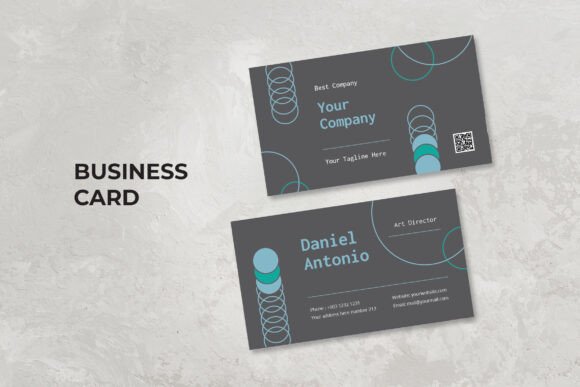
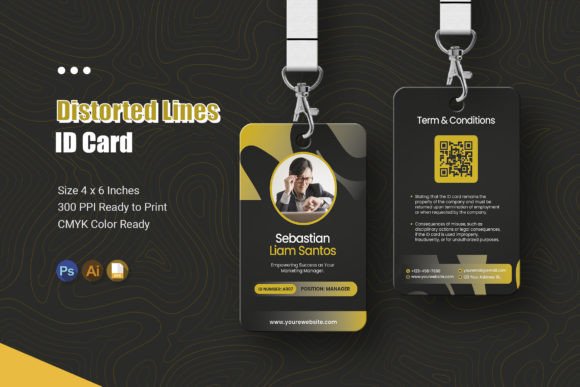
The concept behind "Distorted Lines" is not about chaos, but rather about breaking the monotony of standard corporate templates. It introduces a dynamic visual element that catches the eye without overwhelming the viewer. The core philosophy here is simple: make your business stand out with the right ID card. By utilizing strong typography and a layout that prioritizes readability, this template ensures that your contact information is not just seen, but remembered and acted upon.
The Power of Readable Typography
Many designers fall into the trap of prioritizing artistic flair over function. While an ID card should look good, its primary purpose is communication. If a potential client cannot read your name, title, or phone number within three seconds of glancing at your card, the design has failed. Distorted Lines - ID Card addresses this common pitfall by balancing artistic distortion with clear, legible text.
The template uses strong typography to guide the viewer’s eye. The distorted lines serve as a frame or a background texture, adding depth and interest, while the text remains crisp and easy to read. This approach is crucial for professional branding. When you meet someone at a conference, a workshop, or a casual networking event, you want them to engage with you immediately. Clear typography reduces friction, making it easier for clients to process your information and decide to reach out.
This balance is particularly important for creators and marketers who need to showcase their aesthetic sense while maintaining professional credibility. A well-designed ID card signals that you pay attention to detail—a trait highly valued by employers and clients alike.
Versatility Across Industries and Use Cases
One of the most compelling features of Distorted Lines - ID Card is its adaptability. While the name suggests a specific style, the underlying structure is flexible enough to suit a wide range of applications. Whether you are a freelance graphic designer looking to impress a creative director, an educator distributing materials to students, or a small business owner handing out cards to local partners, this template can be tailored to fit your needs.
- Personal Business: For solopreneurs and freelancers, the card acts as a mini-portfolio. The unique line work reflects creativity and innovation, setting you apart from competitors using generic templates.
- Professional Branding: Established companies can use the template to refresh their employee IDs or customer loyalty cards, injecting a modern edge into their corporate identity.
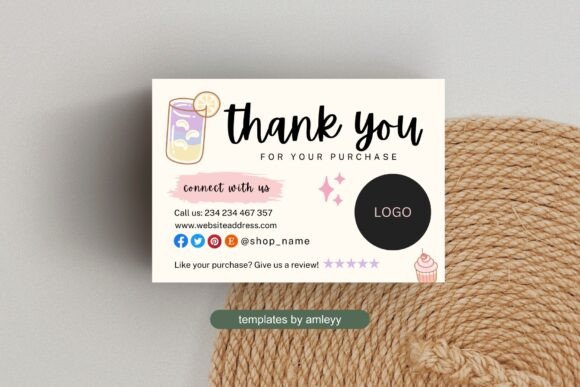
- Events and Invitations: The two-page format allows for additional content. You can use the back page for event schedules, QR codes linking to digital portfolios, or special offers, turning a simple ID card into a multifunctional marketing tool.
- Educational Materials: Educators and tutors can use these cards for student identification or as part of course handouts, ensuring that contact details are always accessible.
The key to success lies in customization. Because the template is fully editable, you can adjust colors, fonts, and imagery to align with your existing brand guidelines. This consistency reinforces brand recognition every time someone receives your card.
Technical Specifications for Print Perfection
A beautiful design means little if it does not print correctly. One of the biggest frustrations for designers and business owners is receiving printed materials that are blurry, misaligned, or the wrong size. Distorted Lines - ID Card eliminates these risks by providing files that are ready for professional printing right out of the box.
The template includes comprehensive technical specifications designed to ensure high-quality output:
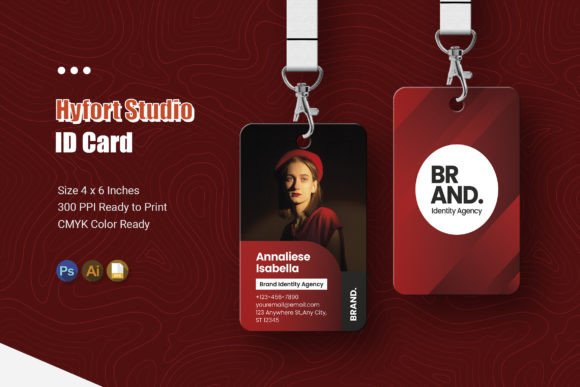
- Size: Standard 4 x 6 Inch dimensions, which is slightly larger than a traditional credit card, allowing for more content and better visibility.
- Resolution: 300 DPI (Dots Per Inch) resolution ensures that all graphics and text are sharp and clear, even when viewed up close.
- Color Mode: CMYK color profile is included, which is essential for accurate color reproduction in print. RGB files often result in dull or shifted colors when printed, so starting with CMYK prevents costly reprints.
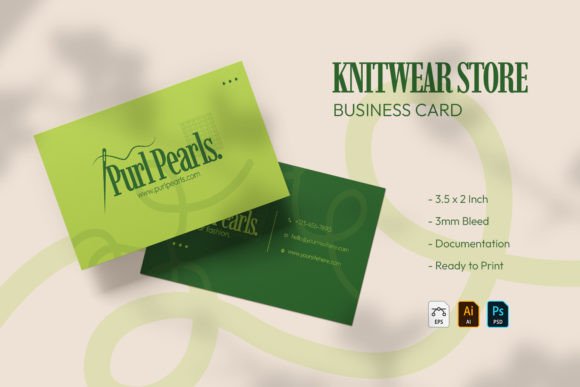
- Bleed: A 3mm bleed area is built into the design. This ensures that when the card is trimmed, there are no unwanted white edges, giving your card a polished, professional finish.
Furthermore, the inclusion of a help file provides guidance on how to navigate the software and customize the elements effectively. This support system is invaluable for users who may not be experts in design software but still want to achieve a professional result.
Easy Customization with Industry-Standard Files
Flexibility is key in the creative industry, and Distorted Lines - ID Card respects that by offering files in multiple formats. Whether you prefer Adobe Illustrator for vector editing, Photoshop for raster manipulation, or EPS for compatibility with various design programs, you have the tools you need.
The AI, EPS, and PSD files are fully editable, meaning you have complete control over every aspect of the design. You can change the distorted lines to match your brand colors, swap out the typography for something more formal or playful, and add your logo or social media handles. This level of control ensures that the final product is uniquely yours.
For those concerned about licensing, the free font used in the template is included, removing any legal hurdles associated with using premium typefaces. This makes the template accessible to hobbyists and budget-conscious entrepreneurs who want high-quality design without hidden costs.
Maximizing Impact Through Strategic Design
To get the most out of Distorted Lines - ID Card, consider how you will use it in your daily interactions. Think about the context in which people will see your card. Are they in a bright outdoor setting? In a dimly lit bar? On a smartphone screen after scanning a QR code?
Ensure that your contrast is high enough for readability in various lighting conditions. Use the extra space on the 4 x 6 inch card wisely. Instead of cluttering it with unnecessary information, focus on the essentials: your name, your role, and one clear call to action. For example, "Scan for Portfolio" or "Visit Our Website" can drive engagement more effectively than a long list of services.
Additionally, consider the material of the card itself. The design’s clean lines and bold typography will look striking on matte finishes, glossy coatings, or even textured papers. Experimenting with different materials can enhance the tactile experience, making your card memorable beyond just its visual appeal.
Conclusion
Your ID card is a critical touchpoint in your professional journey. It represents who you are and what you offer. By choosing Distorted Lines - ID Card, you are investing in a design that combines artistic distinction with practical functionality. It is easy to use, customizable, and technically robust, ensuring that your message is delivered clearly and effectively.
Whether you are launching a new venture, refreshing your brand, or simply looking for a way to connect more meaningfully with your audience, this template provides the foundation you need. Take advantage of its versatility, respect its technical requirements, and let your creativity shine through. In doing so, you will create an ID card that not only looks great but also works hard to grow your business.