Google Review Double Sided Template: A Practical Evaluation for Modern Business Cards
In an era where digital presence and customer feedback are inextricably linked, the traditional business card has evolved beyond a simple exchange of contact information. For small business owners, freelancers, and service providers, capturing positive reviews on platforms like Google is not just a marketing tactic; it is a critical component of local search engine optimization (SEO) and brand credibility. This shift has given rise to innovative physical tools designed to bridge the gap between offline interactions and online reputation management. One such tool that has gained traction among professionals seeking efficient ways to solicit feedback is the Google Review Double Sided Template. This article provides a detailed, objective analysis of this digital asset, examining its functionality, usability, and practical value for various professional audiences.
Understanding the Digital Product Nature
Before diving into the design or utility of the template, it is crucial to clarify what the product actually is. The Google Review Double Sided Template is a purely digital item. No printed cards will be shipped to your home. Instead, upon purchase, you receive a .zip file containing PDF files that serve as the structural blueprint for your custom cards. This distinction is vital for buyers who may be accustomed to ordering pre-printed merchandise. Understanding this workflow allows users to set realistic expectations regarding turnaround time, customization capabilities, and cost-efficiency.
The template is built within Canva, a widely recognized, free online editing tool. This choice of platform significantly lowers the barrier to entry for non-designers. Because Canva operates entirely through a web browser, there is no need to install heavy software suites like Adobe Illustrator or InDesign. This accessibility makes the Google Review Double Sided Template particularly appealing to solopreneurs, educators, and creators who lack dedicated graphic design resources but still desire a polished, professional aesthetic.
Key Characteristics and Design Structure
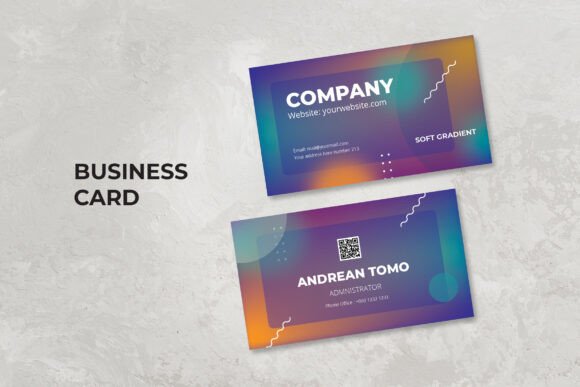
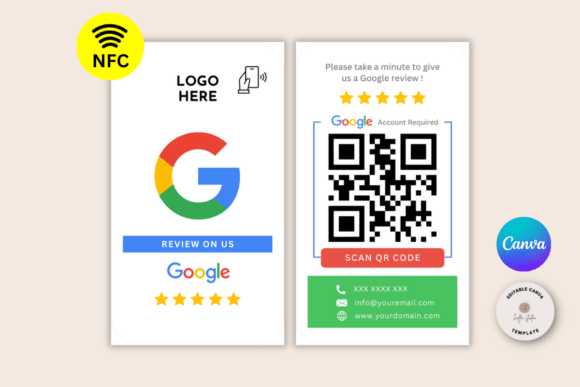
The core strength of this template lies in its double-sided layout, which maximizes the limited surface area of a standard business card. Typically, the front side is dedicated to establishing identity and connection. Here, users can insert their logo, name, title, and primary contact details. However, the true innovation appears on the reverse side, which is specifically engineered to drive action. The back features prominent calls-to-action (CTAs) guiding the recipient to leave a review, often accompanied by QR codes or shortened URLs that link directly to the business’s Google review page.
The package includes two distinct 3.5-inch templates, offering flexibility for different branding strategies or seasonal updates. By utilizing PVC-style aesthetics or clean, modern layouts, these cards aim to convey professionalism and trustworthiness. The double-sided format ensures that while one side reinforces brand recognition, the other side performs a functional role in reputation building. This dual-purpose design addresses a common pain point: how to ask for a review without appearing desperate or intrusive. A well-designed card serves as a subtle, persistent reminder that encourages satisfied customers to share their experiences.
Usability and Customization Workflow
For those unfamiliar with Canva, the learning curve is minimal, yet the potential for customization is extensive. The template is structured to allow users to easily swap out text, colors, images, and logos while maintaining the integrity of the design elements. If a user is not familiar with Canva, detailed instructions are typically provided to guide them through the editing process. This support system is essential for ensuring that the final output matches the intended professional standard.
The editing process is straightforward: open the link in Canva, modify the text fields to reflect your business details, adjust the color palette to match your brand guidelines, and download the high-resolution PDF. This digital-first approach empowers users to make real-time updates. For instance, if a business changes its phone number or launches a new campaign, the template can be updated instantly before printing, eliminating the waste associated with outdated printed materials.
Printing Options and Material Considerations
Once the Google Review Double Sided Template is customized, the next step is production. Users have several options for printing, ranging from budget-friendly to premium finishes. Home printing is possible using high-quality cardstock, though consistency in color and durability may vary depending on the printer’s capabilities. For more robust results, professional printing services offer superior quality control.
Stores like Staples or Office Depot provide convenient local printing solutions, often with same-day availability. Online print services such as Vistaprint offer a wide range of paper stocks and finishes, including matte, glossy, and soft-touch laminates. Additionally, many local print shops can produce cards with special textures or eco-friendly materials. When considering material, PVC (polyvinyl chloride) is a popular choice for review cards due to its durability and water resistance. Unlike paper, PVC cards do not bend easily and can withstand frequent handling, making them ideal for distribution at counters, desks, or checkout areas where they might come into contact with liquids or rough surfaces.
Practical Value and Real-World Application
The effectiveness of the Google Review Double Sided Template depends largely on context and timing. It is most effective when used during moments of peak satisfaction. For example, a hair salon stylist might hand a card to a client immediately after a successful haircut, or a restaurant server might place a card on the table with the check. The physical presence of the card serves as a tangible prompt, increasing the likelihood that the customer will follow through with leaving a review.
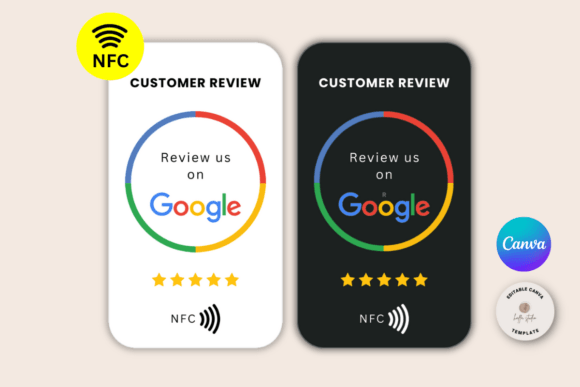
Furthermore, the integration of NFC (Near Field Communication) technology in some versions of these cards adds another layer of convenience. While the template itself is primarily visual, compatible cards can be programmed so that tapping a smartphone against the card automatically opens the review page. This frictionless experience removes the need for manual typing or scanning QR codes, which can sometimes be hindered by poor lighting or screen glare. For tech-savvy audiences, this feature enhances the perceived sophistication of the business.
Audience Fit and Strategic Benefits
This resource is particularly valuable for specific segments of the professional community. Small business owners in competitive local markets benefit greatly from consistent positive reviews, which directly influence local SEO rankings. Freelancers and consultants can use these cards to build social proof, reassuring potential clients of their reliability and expertise. Educators and trainers may find them useful for gathering feedback on courses or workshops, allowing them to improve their offerings based on direct input.
However, it is important to note that the template alone does not guarantee reviews. Success requires a strategic approach to distribution and customer engagement. The card must be part of a broader customer service strategy that genuinely values feedback. Businesses that use the Google Review Double Sided Template as a standalone solution without fostering positive customer experiences may see limited returns. Conversely, businesses that integrate the cards into a holistic relationship-building effort often observe significant improvements in both review volume and sentiment.
Potential Limitations and Considerations
While the Google Review Double Sided Template offers numerous advantages, there are limitations to consider. First, the reliance on user-generated content means that businesses cannot control the outcome of every interaction. Negative reviews remain a possibility, regardless of how well-designed the solicitation tool is. Second, the digital nature of the product requires users to take responsibility for printing costs and logistics. Those who prefer turnkey solutions might find the DIY aspect cumbersome, although it ultimately offers greater control over branding and timing.
Additionally, the effectiveness of QR codes can diminish if they are not prominently displayed or if the design is cluttered. Users must ensure that the call-to-action is clear and that the link works seamlessly across different devices. Regular testing of the links and QR codes is recommended to maintain a smooth user experience.
Conclusion
The Google Review Double Sided Template represents a smart, cost-effective solution for businesses looking to enhance their online reputation through physical touchpoints. By leveraging the accessibility of Canva and the durability of modern printing materials, professionals can create high-quality review cards that stand out in a crowded marketplace. Its flexibility, ease of use, and strategic design make it a worthwhile investment for anyone serious about managing their digital footprint. Whether you are a seasoned entrepreneur or a newcomer to the business world, this template provides the tools necessary to turn satisfied customers into vocal advocates, driving growth and credibility in an increasingly digital economy.