Jewelry Small Business Templates: A Practical Evaluation of Canva-Based Branding Assets
In the competitive landscape of modern retail, particularly within the handmade and artisanal jewelry sectors, professional presentation is often the differentiator between a casual sale and brand loyalty. For small business owners, entrepreneurs, and serious hobbyists, the visual identity of a product extends far beyond the item itself. It encompasses the unboxing experience, the clarity of care instructions, and the consistency of branding across all touchpoints. This is where specialized Jewelry Small Business Templates become an essential operational tool rather than a mere aesthetic accessory.
The market for digital design assets has exploded, offering solutions that range from complex graphic design software to accessible, template-based platforms. Among these, Canva-based templates have emerged as a preferred choice for many jewelry makers due to their balance of customization, ease of use, and cost-effectiveness. By leveraging pre-designed structures for packaging, care cards, stickers, and thank-you notes, business owners can maintain a high standard of professionalism without requiring extensive graphic design training or budgeting for custom freelance work.
The Strategic Value of Cohesive Packaging Design
One of the most significant overlooked aspects of e-commerce is the physical delivery experience. When a customer receives a package, the tactile interaction with the box, the sticker seal, and the included cards forms a lasting impression of the brand’s quality. Generic packaging can diminish the perceived value of a handcrafted piece, while branded materials elevate it. Jewelry Business Template Canva collections address this by providing cohesive sets that ensure every element—from the box sticker to the thank-you card—shares a unified visual language.
This cohesion is not merely about aesthetics; it is a functional marketing strategy. Consistent branding builds trust. When a customer sees a professionally designed care card alongside a medium-priced ring, the product feels more legitimate and valuable. Furthermore, these templates allow for the inclusion of critical information, such as metal care instructions or stone cleaning guidelines, in a format that is both readable and aesthetically pleasing. This reduces customer service inquiries regarding maintenance and enhances the overall user experience.
Understanding the Components of a Complete Template Suite
A comprehensive Jewelry Business Templates Canva package typically includes a variety of assets designed to cover different stages of the customer journey. Understanding what is included helps buyers evaluate whether a specific template set meets their operational needs. These suites are rarely limited to a single document type but rather offer a modular approach to branding.
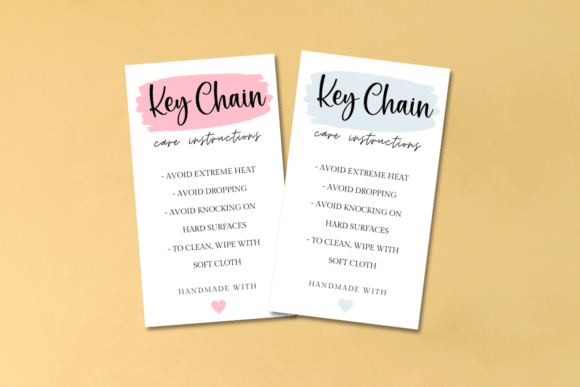
- Jewelry Care and Thank You Cards: These are perhaps the most frequently used elements. They serve dual purposes: educating the customer on how to preserve their purchase and expressing gratitude for their support. Effective templates provide ample space for text while maintaining a clean layout that does not distract from the jewelry itself.
- Editable Jewelry Display Cards: Often used for retail displays or hanging tags, these cards require precise dimensions to fit standard hardware. Templates that offer multiple sizes (Small 2.5 x 3.5, Medium 3 x 3, Large 3 x 4) allow businesses to scale their operations efficiently.
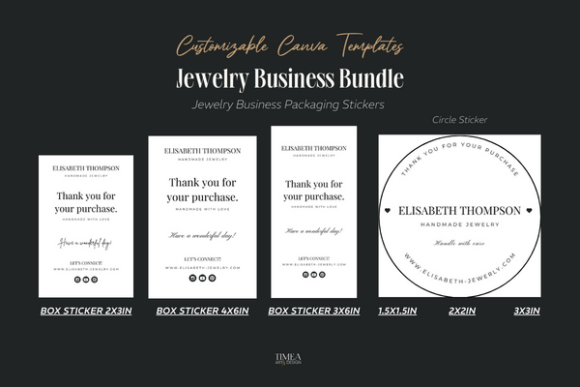
- Box Stickers: The seal of a package is a moment of revelation. Branded stickers add a layer of security and personalization. Whether square, rectangular, or round, these stickers should be sized appropriately for various box dimensions to ensure they adhere properly and look intentional.
- Round Stickers: Commonly used for sealing tissue paper or labeling small pouches, round stickers offer a classic, elegant finish that complements the organic shapes often found in jewelry design.
Usability and Workflow Integration
The primary advantage of using Canva templates lies in their accessibility. For professionals who may already use Canva for social media graphics or blog headers, integrating jewelry packaging into their existing workflow is seamless. However, users must understand the technical nuances of how these files are delivered and edited to avoid frustration.
Upon purchase, customers typically receive a .zip file containing a PDF with access links. This method ensures that the original editable source files are protected while granting the buyer permission to make changes. Once accessed via the provided link, the editing process involves adjusting text fonts, colors, and sizes to match the brand’s identity. Most templates support the upload of logos, artwork, or images in JPG, PNG, and SVG formats, allowing for a high degree of personalization.
A practical feature worth noting is the ability to duplicate pages within the template. This functionality is invaluable for creating multiple versions of a card—for instance, one version for silver items and another for gold-plated pieces, each with slightly different care instructions. This flexibility allows for scalability without the need to start designs from scratch.
Evaluating Quality and Long-Term Value
When assessing Jewelry Small Business Templates, quality is determined by several factors: typographic hierarchy, color theory application, bleed margins for printing, and font licensing. High-quality templates are designed with print-ready specifications in mind. This means that text is placed safely away from cut lines, and colors are defined in ways that translate well to physical media. While screen colors (RGB) differ from printed colors (CMYK), good templates account for this by using neutral, adaptable palettes or providing guidance on color conversion.
The long-term value of these templates is significant. Instead of paying hundreds of dollars for a custom design project that may become outdated, a business owner can invest in a versatile template suite that grows with them. As the product line expands, the same design system can be applied to new items, ensuring brand consistency over years of operation. This approach aligns with lean business practices, minimizing upfront costs while maximizing professional output.
Ideal Use Cases and Target Audience
These resources are particularly beneficial for solo entrepreneurs, Etsy sellers, and pop-up shop vendors who handle their own fulfillment. For individuals managing high order volumes, the time saved by using pre-designed templates is substantial. What might take hours to design from scratch can be accomplished in minutes by swapping out text and logos. This efficiency allows business owners to focus more on product creation and less on administrative tasks.
Additionally, educators and creators who teach jewelry-making courses may find value in providing these templates to their students as part of a business-in-a-box curriculum. It empowers emerging artists to launch their ventures with a level of polish that rivals established brands.
Potential Limitations and Considerations
While highly effective, there are limitations to consider. First, because these are shared templates, other businesses may use the same base design. To mitigate this, users must heavily customize colors, fonts, and imagery to distinguish their brand. Second, the quality of the final print depends on the printer chosen. Users should verify that their printing service can handle the specific dimensions and file types required by the template. Finally, while Canva is user-friendly, it still requires a basic understanding of design principles to avoid cluttered layouts. Overloading a care card with too much text or too many images can undermine its effectiveness.
Conclusion
In summary, Jewelry Small Business Templates represent a pragmatic solution for artisans and small business owners seeking to elevate their brand presence without compromising on budget or time. By providing a structured yet flexible framework for packaging and communication materials, these tools enable creators to present their work with confidence and professionalism. The key to success lies in thoughtful customization and consistent application across all customer touchpoints. For those willing to invest the effort in tailoring these templates to their unique voice, the return in terms of brand perception and customer satisfaction is considerable.