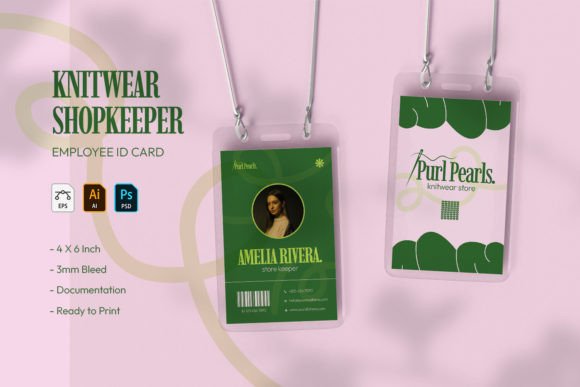
Kintwear Shopkeeper - ID Card
In the landscape of professional branding and corporate identity, the humble identification card serves a dual purpose. It is both a functional tool for security and access control and a subtle yet potent marketing asset. When an employee or shopkeeper presents their credentials, they are representing not just themselves, but the entire organization. The visual design of this card communicates attention to detail, professionalism, and brand consistency before a single word is spoken. For business owners, designers, and marketers looking to elevate their corporate imagery, finding a template that balances aesthetic appeal with practical utility is essential. This is where the Kintwear Shopkeeper - ID Card enters the conversation as a viable resource for those seeking modern, clean, and effective identification designs.
The primary value proposition of this template lies in its adaptability and its adherence to contemporary design standards. Unlike generic templates that may feel dated or overly cluttered, the Kintwear Shopkeeper - ID Card offers a fresh layout designed to impress potential clients and colleagues alike. It addresses a common pain point in small to medium-sized businesses: the need for high-quality branded materials without the overhead cost of hiring a custom graphic designer for every iteration. By providing a well-organized, fully editable file structure, it empowers users to create polished results independently.
Design Philosophy and Visual Appeal
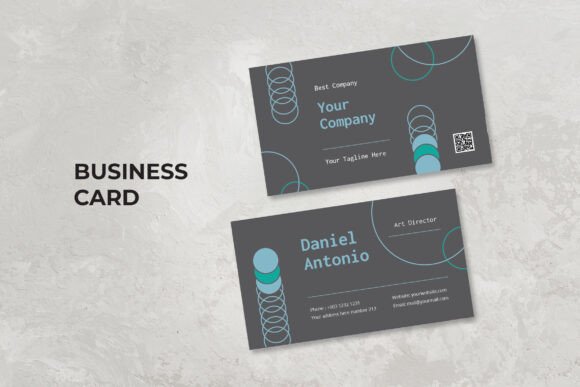
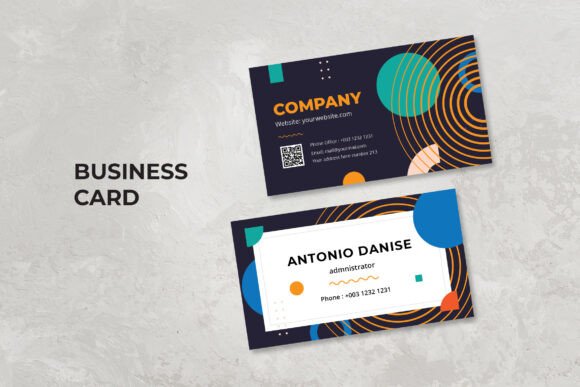
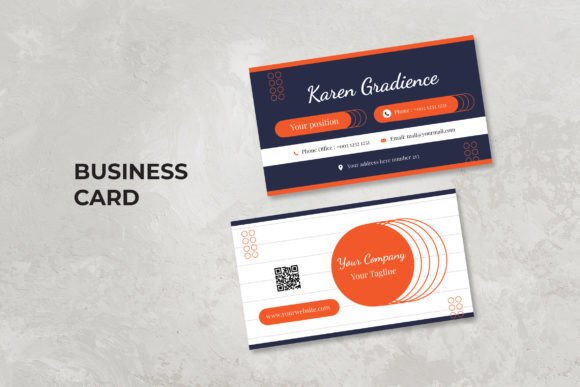
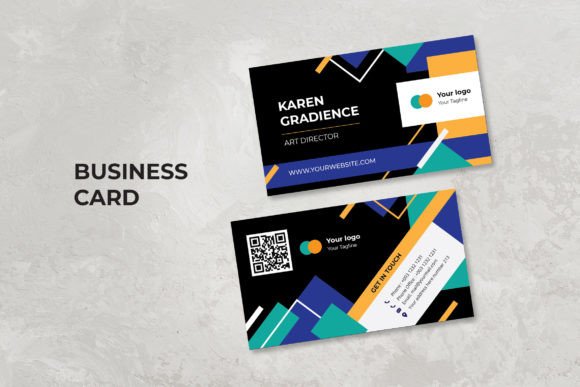
Modern business aesthetics favor clarity, whitespace, and strong typography over ornate decorations. The Kintwear Shopkeeper - ID Card aligns with these principles. Its layout is structured to ensure that critical information—such as the name, job title, company logo, and contact details—is immediately legible. This is not merely an aesthetic choice; it is a functional necessity. In fast-paced retail or service environments, readability is paramount. A card that is difficult to scan defeats its purpose.
The "fresh design" aspect mentioned in the product description refers to a balanced composition that avoids the rigid, boxy feel of older ID card templates. Instead, it likely utilizes subtle gradients, clean lines, or strategic color blocking to guide the eye. This approach ensures that the card looks professional rather than administrative. For a shopkeeper or a front-of-house staff member, wearing a visually appealing ID card can enhance customer perception, suggesting that the establishment values quality and modernity. It transforms a mandatory item into a piece of brand collateral.
Technical Specifications and File Structure
For designers and tech-savvy business owners, the technical robustness of a template is often more important than its visual preview. The Kintwear Shopkeeper - ID Card provides files in multiple formats, including AI (Adobe Illustrator), EPS (Encapsulated PostScript), and PSD (Photoshop Document). This multi-format support is a significant strength, catering to different workflows and software preferences.
- Adobe Illustrator (.AI) & EPS: These vector-based formats are ideal for creating scalable graphics. If your logo or design elements need to be resized without losing quality, these formats are essential. They also allow for precise editing of shapes, paths, and text attributes.
- Photoshop (.PSD): For users who prefer pixel-based editing or need to manipulate complex image layers, the PSD file offers a comprehensive layer structure. This is particularly useful for applying textures, adjusting lighting effects, or compositing images.
The inclusion of a Read Me document and documentation is a crucial feature that is often overlooked. It provides guidance on how to navigate the file, replace images, and modify text. This reduces the learning curve for users who may not be experts in design software. Furthermore, the specification of CMYK color mode and 300 DPI resolution ensures that the final output will be print-ready. Many digital-only templates fail in production because they are set to RGB or low resolution, resulting in blurry or color-shifted prints. This template avoids that pitfall by adhering to industry-standard print specifications.
Usability and Customization
The ease of customization is perhaps the most practical benefit of the Kintwear Shopkeeper - ID Card. The template is described as having "well-organized layers," which means that elements are grouped logically. You should be able to locate the text layer for the name, the background layer, and the logo placeholder without digging through hundreds of unlabelled items. This organization saves time and reduces the risk of accidental edits to other parts of the design.
Customization typically involves swapping out placeholder text with actual employee data and replacing stock images with company-specific visuals. The use of free fonts included in the package further simplifies this process. Users do not need to worry about licensing fees or missing font files when sending the project to a print shop. However, it is important to note that while the font usage is free for the template, users should always verify the specific license terms if they plan to distribute the final cards commercially, although for internal corporate use, this is rarely an issue.
The size of the card is specified as 4 x 6 inches. It is worth noting that standard credit-card-sized IDs are typically 3.375 x 2.125 inches. A 4x6 inch format suggests this template might be intended for larger display badges, lanyard holders, or perhaps a combination card and poster layout. Before purchasing or downloading, users must verify that this dimension aligns with their physical printing requirements. If you require standard wallet-sized IDs, you may need to adjust the canvas size, which is easily done in Illustrator or Photoshop, but it requires an extra step.
Real-World Application and Target Audience
Who benefits most from the Kintwear Shopkeeper - ID Card? The answer extends beyond traditional retail shops. Any role that requires face-to-face interaction with clients or customers can leverage this tool.
- Retail and Hospitality Staff: Shopkeepers, baristas, hotel concierges, and restaurant servers can use this card to present a unified, professional team image. A consistent look across all staff IDs reinforces brand identity.
- Corporate Offices: While some large corporations have bespoke systems, smaller businesses and startups often rely on affordable, customizable templates. This card offers a premium look at a fraction of the cost.
- Freelancers and Consultants: Independent professionals who attend networking events or visit client sites can carry a sleek ID card that doubles as a business card. It projects credibility and preparedness.
- Event Organizers: For conferences or trade shows, temporary staff need clear identification. This template can be quickly adapted for short-term use, allowing organizers to maintain a professional appearance without long lead times.
The versatility of the design allows it to serve as a promotional item as well. Some companies give away their ID cards or similar branded merchandise to loyal customers. The clean design makes it suitable for such secondary uses, provided the dimensions are appropriate for the intended application.
Potential Limitations and Considerations
No template is perfect, and understanding the limitations helps set realistic expectations. First, as noted, the 4x6 inch size may not fit standard PVC card printers used for security badges. If you intend to print on a standard ID card printer, you will need to resize the artwork carefully to avoid cropping essential elements.
Secondly, the phrase "Images not included in the file" is a standard disclaimer, but it requires user action. You must source your own high-resolution photographs and logos. Low-quality images placed into a high-quality template will degrade the overall result. Users should ensure their source assets match the 300 DPI requirement for crisp printing.
Finally, while the template is "fully editable," it still requires a baseline level of design literacy. Understanding how to edit text boxes, swap smart objects, and manage layers is necessary. For complete novices, there may be a slight learning curve, though the documentation should mitigate this. It is not a "fill-in-the-blanks" online generator; it is a professional file that demands active engagement.
Conclusion
The Kintwear Shopkeeper - ID Card represents a solid, practical solution for organizations seeking to improve their visual identity through better identification materials. Its strengths lie in its professional design, flexible file formats, and print-ready specifications. It is particularly well-suited for small to medium-sized businesses, creative professionals, and any entity that values a polished, modern aesthetic in its daily operations.
While it requires some effort to customize and source images, the time saved compared to designing from scratch and the cost savings compared to hiring a designer make it a compelling option. By ensuring that your staff wears IDs that reflect the quality of your work, you reinforce trust and professionalism with every interaction. For those willing to engage with the design process, the Kintwear Shopkeeper - ID Card offers a reliable foundation for creating impactful corporate credentials.