Public Company Business Card
In an era where digital networking often overshadows physical interaction, the strategic value of a tangible touchpoint remains undiminished. The Public Company Business Card is not merely a piece of paper; it is a critical instrument in your professional arsenal, designed to bridge the gap between digital presence and real-world identity. For entrepreneurs, marketers, freelancers, and corporate decision-makers, selecting the right template for this essential tool requires more than aesthetic preference—it demands an understanding of brand positioning, operational efficiency, and long-term communication goals.
This article explores how utilizing a high-quality, fully customizable template like the Public Company Business Card can support your business objectives, enhance personal branding, and streamline your creative workflow. We will examine the technical specifications that make it print-ready, the strategic advantages of its design philosophy, and the practical considerations for integrating it into your broader marketing ecosystem.
The Strategic Role of Physical Branding
Before diving into the specific features of the template, it is crucial to understand why physical business cards still matter. In a saturated market, first impressions are fleeting but permanent. A well-designed card serves as a microcosm of your brand’s personality. It communicates professionalism, attention to detail, and reliability before you even speak.
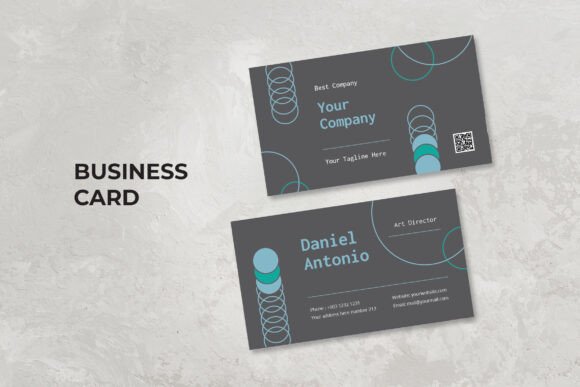
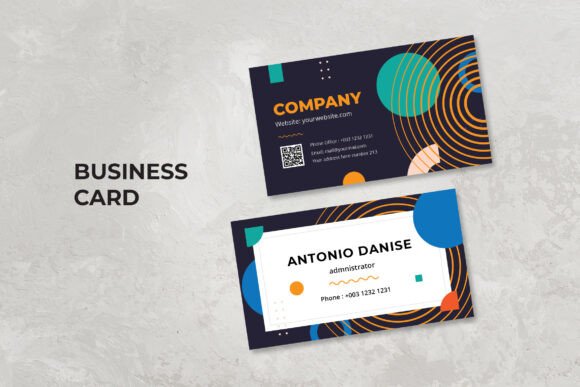
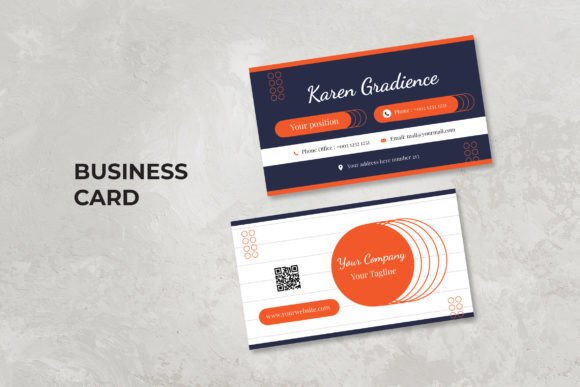
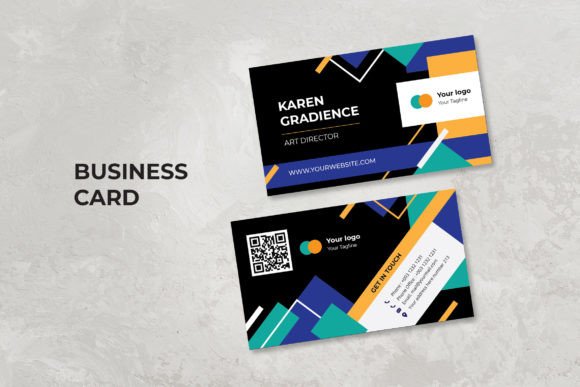
The Public Company Business Card addresses the need for a clean, modern aesthetic that appeals to a broad audience. Whether you are a freelancer seeking to establish credibility or a large agency looking to maintain consistency across teams, the card’s versatility allows it to adapt to various corporate identities. It supports goals related to customer experience by providing a memorable, high-quality artifact that recipients are less likely to discard compared to generic, low-resolution alternatives.
Design Philosophy: Clean, Simple, and Modern
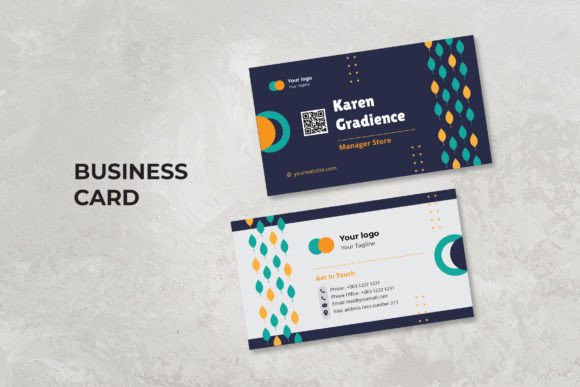
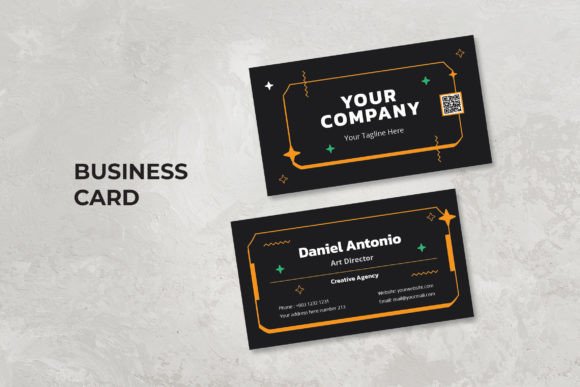
One of the most significant risks in professional branding is clutter. When a business card is overloaded with information or excessive graphics, it fails to communicate effectively. The Public Company Business Card template is built on a foundation of minimalism. Its clean lines and structured layout ensure that your contact information is legible and impactful.
This design approach aligns with contemporary trends in visual communication, where clarity trumps complexity. By opting for a simple structure, you allow your content—your name, title, and key contact details—to take center stage. This is particularly beneficial for:
- Personal Branding: Individuals who rely on their reputation can use the minimalist design to project confidence and sophistication.
- Corporate Identity: Established companies can easily integrate their logo and color scheme into the template without disrupting the overall balance.
- Agency Work: Creative agencies can demonstrate their design sensibility through a refined, uncluttered presentation.
The emphasis on a modern design ensures that the card does not look dated quickly. Trends in graphic design cycle rapidly, but a clean, timeless layout maintains relevance for years, supporting long-term branding efforts.
Technical Specifications and Workflow Efficiency
A beautiful design is only valuable if it can be produced efficiently and printed correctly. The Public Company Business Card template is engineered for seamless integration into professional workflows, specifically within Adobe Photoshop and Adobe Illustrator. This dual-format compatibility is a strategic advantage, offering flexibility depending on your team’s expertise.
File Formats and Compatibility
The inclusion of both .AI (Adobe Illustrator) and .PSD (Adobe Photoshop) files means that users can choose the software they are most comfortable with. For vector-based logos and typography, Illustrator offers precision and scalability. For raster-based images and complex layouts, Photoshop provides robust editing capabilities. Having both options reduces barriers to entry and allows for collaborative work environments where different specialists can contribute to the final design.
Print-Ready Standards
One of the most common pitfalls in DIY printing is ignoring technical requirements, leading to blurry text or cut-off edges. This template mitigates those risks by adhering to strict industry standards:
- Dimensions: The standard 90 x 51 mm (2 x 3.5 inch) size ensures compatibility with almost all wallets and card holders globally.
- Bleed: A 0.25-inch bleed is included, ensuring that background colors or images extend safely beyond the cut line, preventing unsightly white borders after trimming.
- Resolution: At 300 DPI (dots per inch), the document meets the high-resolution threshold required for crisp, professional printing.
- Color Mode: Set to CMYK (Cyan, Magenta, Yellow, Key/Black), the template is optimized for offset and digital printing, avoiding the unexpected color shifts that occur when RGB files are converted incorrectly.
By providing a print-ready document, the Public Company Business Card saves time and reduces the likelihood of costly reprints. This efficiency supports better resource management, allowing you to focus on strategy rather than troubleshooting file errors.
Customization and Organizational Structure
The true power of a template lies in its ease of customization. The Public Company Business Card features well-organized layers, which is critical for maintaining control over the design process. In complex design files, disorganized layers can lead to accidental edits, broken links, or confusion during handoffs to printers or team members.
This template’s logical layer structure allows for quick modifications. You can easily swap out placeholder images, update text fields, or adjust colors without disturbing other elements. This is particularly useful for:
- Freelancers: Who may need to create multiple variations of their card for different platforms or roles.
- Small Business Owners: Who might want to test different messaging or calls to action before committing to a large print run.
- Educators and Publishers: Who require clear, readable text for academic or editorial purposes.
The use of free fonts further enhances accessibility. By relying on widely available typefaces, the template ensures that your design looks consistent regardless of whether you have access to premium font libraries. This reduces dependency on external resources and simplifies the licensing process, which is often overlooked in budget planning.
Strategic Use Cases and Decision-Making
While the Public Company Business Card is versatile, its effectiveness depends on intentional usage. Here are several scenarios where this template can drive better results:
Networking and Lead Generation
In face-to-face meetings, a business card acts as a follow-up mechanism. A clean, professional design increases the likelihood that a prospect will keep the card and reach out later. Consider pairing the card with a QR code linking to your portfolio or LinkedIn profile, leveraging the template’s editable nature to include dynamic digital touchpoints.
Product Launches and Promotions
For product launches, the card can serve as a mini-brochure or invitation. Use the extra space provided by the 2 x 3.5 inch format to highlight a new service, a discount offer, or an upcoming event. The high-resolution output ensures that any promotional graphics remain sharp and compelling.
Corporate Rebranding
When undergoing a rebrand, updating physical collateral is a visible sign of change. Using a modern template like this one helps signal a shift towards innovation and contemporary values. It demonstrates to stakeholders that the company is paying attention to detail and user experience.
Risks and Considerations
No tool is without limitations. While the Public Company Business Card offers many advantages, it is important to approach its use with caution.
Image Quality: As noted, preview images are for demonstration only. Users must supply their own high-quality assets. Uploading low-resolution images will negate the benefits of the 300 DPI template. Always source images from reputable stock libraries or original photography.
Over-Customization: There is a temptation to add too much information. Resist the urge to clutter the card. Remember that simplicity aids retention. If you have extensive information, consider directing recipients to a website or digital profile instead.
Contextual Appropriateness: While suitable for most industries, extremely formal sectors (such as law or finance) may prefer more traditional serif fonts or heavier card stocks. Ensure the template’s modern aesthetic aligns with the expectations of your specific target audience.
Conclusion
The Public Company Business Card represents a thoughtful intersection of design, functionality, and strategic utility. Its clean, modern aesthetic supports strong personal and corporate branding, while its technical specifications ensure professional, print-ready results. By leveraging its fully editable AI and PSD files, organized layers, and accessible fonts, professionals across various fields can create high-impact networking tools that enhance their visibility and credibility.
Ultimately, the success of your business card depends not just on the template, but on how intentionally you use it. Plan your message, choose your visuals carefully, and ensure every element serves a purpose. In doing so, you transform a simple piece of cardstock into a powerful asset for growth and connection.